Identifying and Addressing the Underlying Causes of Social Anxiety in Chihuahuas
Key Contributors to Social Anxiety in Chihuahuas: What You Need to Know
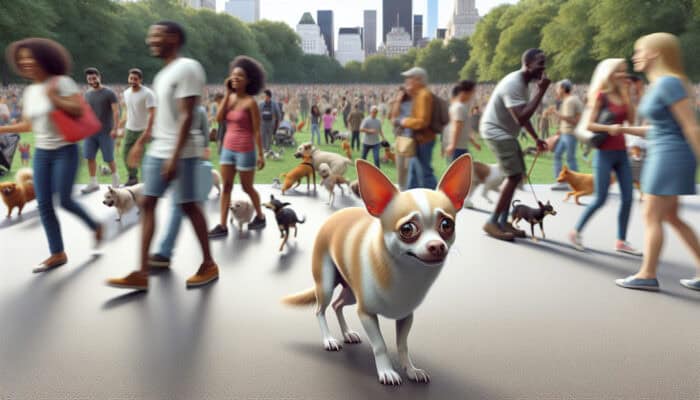
Social anxiety in Chihuahuas can arise from a multitude of factors, including genetic predispositions, early formative experiences, and insufficient socialization. Given their small size, Chihuahuas often display heightened sensitivity to environmental stimuli, making them more susceptible to feelings of anxiety. Puppies that lack exposure to a variety of people and settings during critical developmental phases may develop phobias regarding novel situations or individuals. Additionally, genetic factors can significantly influence anxiety levels; some Chihuahuas may inherit anxiety tendencies from their lineage, increasing their susceptibility to anxious feelings in social contexts.
Understanding the fundamental causes of anxiety is essential for implementing effective interventions. By examining the history of a Chihuahua’s anxiety, pet owners can customize their training and socialization strategies to cater to their dog’s particular needs. Creating a supportive environment that fosters a sense of security can greatly reduce anxiety triggers. For instance, a Chihuahua that has experienced a troubled upbringing may require a more gradual acclimatization to new experiences compared to one that enjoyed ample socialization during its formative months.
Recognizing the Signs of Social Anxiety in Chihuahuas: A Comprehensive Guide
Identifying the symptoms of social anxiety in Chihuahuas is critical for enabling early intervention and effective management. Common signs include excessive barking, shaking, and avoidance behaviors. For many Chihuahuas, excessive barking occurs when they feel threatened or anxious, resulting in distress for both the dog and its owner. Trembling often indicates fear or anxiety and may manifest when a Chihuahua encounters unfamiliar stimuli or situations. Furthermore, some Chihuahuas may choose to hide or evade certain individuals or environments entirely, signaling their discomfort.
Key signs to observe include:
- Excessive barking in unfamiliar situations
- Trembling or shaking when faced with stressors
- Avoidance of social interactions
- Clinginess to their owner
- Destructive behavior when left alone
- Loss of appetite during stressful periods
Recognizing these signs early can lead to more effective management strategies, ultimately improving a Chihuahua’s overall quality of life.
Understanding the Effects of Social Anxiety on Chihuahuas’ Wellness
Social anxiety can have a profound impact on a Chihuahua’s quality of life, leading to stress-related health issues and various behavioral challenges. When a Chihuahua experiences anxiety, it can result in elevated stress levels, potentially causing physical health problems such as gastrointestinal disturbances or a compromised immune system. Moreover, behavioral issues like aggression, fear biting, or persistent barking may develop, complicating everyday life for both the Chihuahua and its owner.
Addressing social anxiety encompasses more than merely managing behaviors; it also involves enhancing the overall well-being of the dog. If anxiety goes unaddressed, it can create a detrimental cycle of stress and fear that escalates over time. For instance, a fearful Chihuahua may become progressively more unsociable as it avoids anxiety-inducing situations, leading to increased isolation. On the other hand, effectively addressing these issues can empower Chihuahuas to gain confidence, enabling them to engage more fully in social interactions and activities, thus enriching their happiness and quality of life.
Proven Strategies for Assisting Chihuahuas with Social Anxiety

Effective Techniques for Helping Chihuahuas Overcome Anxiety
Experts recommend a range of effective practices to support Chihuahuas in overcoming social anxiety. Gradual exposure to social settings is vital; this involves introducing your Chihuahua to new places and people in a controlled and safe manner. For example, begin by taking your Chihuahua to quiet parks during off-peak hours before transitioning to busier locations. Employing positive reinforcement techniques is equally critical; rewarding your Chihuahua with treats and praise for calm behavior can help foster confidence over time.
Real-life examples of successful strategies can provide insightful guidance. For instance, one owner found that inviting a friend over regularly allowed their Chihuahua to acclimate to new individuals in a familiar setting, gradually diminishing its anxiety levels. Additionally, enrolling in puppy socialization classes tailored specifically for anxious dogs can provide structured opportunities for socialization while being supervised by professionals. By consistently applying these strategies, owners can see meaningful improvements in managing anxiety in their Chihuahuas.
How Owners Can Effectively Support Their Anxious Chihuahuas
Owners play an indispensable role in assisting their Chihuahuas as they navigate the complexities of social anxiety. Providing a safe and nurturing environment is essential; this involves creating a space where the Chihuahua feels secure and comfortable. Establishing predictable routines is also beneficial; dogs flourish with consistency, and knowing what to expect can significantly reduce anxiety. For instance, implementing a regular schedule for feeding, walks, and play can instill a sense of stability in the Chihuahua.
Patience is another crucial aspect of effective support. Owners must recognize that overcoming social anxiety is a gradual process, and progress may unfold slowly. Celebrating small victories, such as a successful encounter with a new person, can motivate both the owner and the Chihuahua. Expert insights suggest that active involvement from owners in their Chihuahua’s development is vital; the bond cultivated through ongoing support can create a safe environment in which the Chihuahua feels empowered to explore new experiences.
The Benefits of Professional Assistance in Managing Chihuahua Anxiety

Seeking professional assistance can be an extremely effective approach for managing a Chihuahua’s social anxiety. Professional trainers and veterinarians can offer personalized plans and medications tailored to the dog’s unique needs. For example, a trainer may recommend specific training exercises designed to desensitize the Chihuahua to its anxiety triggers, while a veterinarian might prescribe anxiety-relief medications for more severe cases.
Taking proactive measures to seek professional help entails researching qualified trainers who specialize in anxiety-related issues and scheduling veterinary consultations for a thorough evaluation of your Chihuahua’s health. Ensuring that the trainer or veterinarian possesses a reputable background and positive reviews can foster trust and confidence in the process. Collaborating with professionals can enhance the owner’s understanding of their Chihuahua’s needs, leading to more effective anxiety management.
Utilizing Socialization Techniques to Effectively Alleviate Anxiety
Implementing socialization techniques can significantly reduce anxiety levels in Chihuahuas, especially when initiated in their formative years. Experts advocate for controlled exposure to diverse environments, sounds, and individuals. This process entails gradually introducing the Chihuahua to various stimuli, such as car rides, different types of people, and varying settings, while ensuring these experiences remain positive and rewarding.
Case studies reveal that Chihuahuas participating in structured socialization programs displayed reduced anxiety over time. A notable example involved a Chihuahua that was fearful of strangers; through gradual exposure sessions, the dog learned to associate the presence of new individuals with positive experiences, such as treats and playtime. Keeping socialization sessions brief and enjoyable is crucial, allowing the Chihuahua to build confidence without feeling overwhelmed or stressed.
Identifying Signs of Improvement in Chihuahua Social Anxiety
As Chihuahuas progress in their treatment for social anxiety, several indicators can signal improvement. Owners should look for enhanced confidence in social situations, including a willingness to engage with new people or environments without displaying distress. Reduced avoidance behaviors, where the Chihuahua opts to interact instead of retreating, serve as another encouraging sign. Furthermore, increased interaction with other dogs or people, such as playing or demonstrating curiosity, reflects heightened comfort levels.
Experts stress the importance of monitoring progress and celebrating small victories throughout the treatment journey. For instance, if a Chihuahua that previously hid from guests now greets them at the door, this is a significant improvement. Keeping a journal to track behaviors and noteworthy changes can help owners stay motivated and informed about their Chihuahua’s progress in overcoming anxiety.
Effective Techniques for Reducing Social Anxiety in Chihuahuas
Which Socialization Methods Yield the Best Results?
Implementing effective socialization methods is essential for alleviating anxiety in Chihuahuas. Gradual exposure to new environments and individuals is critical for desensitizing anxious behavior. Socialization classes specifically designed for anxious dogs can offer a structured environment for these exposures, allowing for safer interactions.
Key socialization techniques include:
- Controlled introductions to new individuals and environments
- Puppy playgroups for secure interactions
- Short trips to various locations
- Supervised interactions with other canines
- Gradual exposure to diverse sights and sounds
- Creating positive associations with new experiences through treats
By consistently applying these techniques, owners can help their Chihuahuas build confidence over time, effectively mitigating the effects of social anxiety.
Leveraging Positive Reinforcement for Confidence Building
Positive reinforcement serves as a vital strategy for boosting confidence in Chihuahuas dealing with social anxiety. Rewarding calm behavior with treats and praise reinforces desired actions while helping the dog associate positive outcomes with previously anxiety-inducing situations. For example, if a Chihuahua remains calm during a park visit, providing treats can reinforce this behavior and encourage similar responses in future outings.
Maintaining consistency in positive reinforcement is essential; dogs thrive on routine, and recognizing that calm behavior leads to rewards can significantly influence their mindset. Gradually increasing the complexity of situations—such as introducing more people or more stimulating environments while continuing to employ positive reinforcement techniques—further bolsters the Chihuahua’s confidence.
The Advantages of Desensitization for Anxious Chihuahuas
Desensitization is a technique that involves the gradual introduction of anxiety triggers to the Chihuahua in a controlled environment. The objective is to reduce the fear response over time. This process begins by identifying specific triggers that provoke anxiety, whether they are loud noises, unfamiliar individuals, or specific environments.
Once triggers are identified, the Chihuahua is exposed to these stimuli at a low intensity. For example, if a Chihuahua is frightened by strangers, the owner might start by having a friend stand at a distance while offering treats. Gradually, as the dog becomes more comfortable, the friend can move closer, continuing to reward calm behavior. This method effectively aids the Chihuahua in developing a more relaxed response towards previously anxiety-inducing situations.
Daily Routines to Support Chihuahuas with Anxiety
Establishing a Calming Morning Routine for Your Chihuahua
Creating a calming morning routine can establish a positive atmosphere for Chihuahuas experiencing social anxiety. Engaging in gentle activities such as quiet play or relaxed cuddle sessions can facilitate a smoother transition into the day’s demands. This nurturing practice fosters a sense of security and affection, cultivating a positive mindset for the Chihuahua.
Incorporating structured activities, such as a brief, soothing walk, can also improve the dog’s mood. A morning walk not only provides the Chihuahua with an opportunity to relieve itself but also offers controlled exposure to the surroundings. The key is to maintain a low-stress and predictable morning routine, which can help alleviate anxiety throughout the day.
Evening Activities to Enhance Relaxation and Reduce Anxiety
Engaging in calming evening activities is crucial for aiding Chihuahuas in unwinding and decreasing their anxiety levels. Activities such as gentle walks or soothing massages can help the dog transition from the day’s hectic pace to a state of relaxation. These late afternoon and evening rituals create an atmosphere of safety and tranquility as the day winds down.
Calming evening activities may include:
- Gentle walks in peaceful areas
- Massage or gentle petting sessions
- Interactive toys that promote calm play
- Calming music or ambient sounds
Integrating these activities into the evening routine can help the Chihuahua establish a comforting environment, ultimately reducing anxiety and leading to a more restful night.
The Significance of Consistency in Daily Schedules
Maintaining consistency in daily schedules is crucial for helping Chihuahuas feel secure and alleviate anxiety. Predictable routines greatly contribute to a Chihuahua’s emotional well-being. Having set times for feeding, walks, and play creates a sense of stability and comfort, enabling the Chihuahua to anticipate daily activities.
A reliable routine can profoundly impact a Chihuahua’s anxiety levels. For example, if a dog knows it will go for a walk at a specific time each day, it can learn to relax and look forward to that experience. This predictability reduces anxiety related to uncertainty and enhances the overall quality of life for the Chihuahua.
Incorporating Midday Breaks for Relaxation and Calmness
Taking short breaks throughout the day for activities such as napping or quiet play can help maintain a calm state in Chihuahuas and significantly lower anxiety levels. Midday breaks allow the Chihuahua to recharge, especially after engaging in stimulating activities or socialization experiences, which can be taxing for anxious dogs.
Integrating relaxation periods into the daily routine promotes a balanced lifestyle that is crucial for emotional stability. Providing a designated quiet space or cozy bed where the Chihuahua can retreat and relax during these breaks reinforces the idea that it is safe to unwind. By doing so, owners can effectively manage their Chihuahua’s anxiety levels throughout the day.
The Role of Nutrition in Managing Chihuahua Social Anxiety
How Diet Influences Chihuahua Anxiety Levels
Diet plays a pivotal role in a Chihuahua’s mood and anxiety levels. Certain foods can either exacerbate or alleviate anxiety, significantly impacting the overall emotional state of the Chihuahua. A balanced diet rich in nutrients, including omega-3 fatty acids, can support better mental health. Foods that are high in sugar or unhealthy fillers may cause fluctuations in energy levels, contributing to heightened anxiety.
Incorporating calming ingredients, such as those found in specialized dog food formulations or holistic diets, can be beneficial in managing stress. For instance, foods that are rich in antioxidants and vitamins can promote overall well-being and support a positive mood. Understanding the connection between diet and a Chihuahua’s anxiety is essential for owners looking to effectively manage their pet’s emotional health.
Supplements That May Help Alleviate Anxiety
Supplements, such as CBD oil or calming chews, can be advantageous for Chihuahuas experiencing anxiety. These supplements typically contain natural ingredients known for their calming properties, offering an alternative or supplementary approach to traditional anxiety management strategies. Before introducing any supplements into your Chihuahua’s diet, consulting with a veterinarian is crucial to ensure safety and appropriateness.
Veterinarians can provide recommendations on specific products or formulations crafted to meet the individual needs of the Chihuahua. It is essential to monitor the Chihuahua’s response to any new supplements, noting any changes in anxiety levels or behavior. Maintaining open communication with a veterinarian can empower owners to make informed decisions regarding supplement usage.
Avoiding Foods That May Increase Anxiety Levels
Avoiding certain foods can effectively minimize anxiety in Chihuahuas. Foods that are high in sugar or caffeine can lead to increased anxiety and hyperactivity, making it essential for owners to thoroughly read labels. Additionally, processed foods containing artificial preservatives or fillers may not provide the necessary nutrients for emotional stability.
Consulting a veterinarian can provide guidance on dietary adjustments that may enhance anxiety management. Understanding which ingredients to avoid helps owners make informed choices that can positively influence their Chihuahua’s emotional health.
Proven Approaches for Helping Chihuahuas with Social Anxiety
The Role of Behavioral Therapy in Managing Anxious Chihuahuas
Behavioral therapy can offer significant advantages for Chihuahuas struggling with social anxiety. This therapeutic approach addresses the underlying issues causing anxiety and employs techniques like counter-conditioning to alter negative associations with specific stimuli. For example, if a Chihuahua fears other dogs, behavioral therapy may involve gradually introducing the Chihuahua to calm, friendly dogs in a controlled setting.
Expert insights into the effectiveness of behavioral therapy suggest that these structured interventions can lead to lasting improvements in anxiety levels. By collaborating with a professional, owners can gain valuable insights into their Chihuahua’s specific triggers and develop tailored strategies that address their needs. The consistent application of behavioral techniques can significantly enhance the Chihuahua’s coping mechanisms.
The Importance of Regular Exercise in Managing Chihuahua Anxiety
Regular exercise is essential for reducing stress and anxiety in Chihuahuas. Engaging in physical activities helps release pent-up energy, resulting in improved mood and mental clarity. Activities such as short walks, play sessions, or interactive games provide vital outlets for both physical and mental stimulation.
Real-world examples of exercise routines can differ but often include structured playdates with other dogs, agility training, or simple fetch sessions. Incorporating these activities into daily routines provides Chihuahuas with both physical exercise and socialization opportunities, effectively reducing anxiety levels while promoting overall health and happiness.
The Significance of Patience and Consistency in Anxiety Management
Patience and consistency are paramount when assisting Chihuahuas in overcoming social anxiety. The journey toward overcoming anxiety is not instantaneous; it requires a long-term commitment to implementing strategies and techniques that encourage gradual improvement. Owners must be prepared for setbacks and recognize that progress may unfold slowly.
Consistency in approach reinforces the Chihuahua’s learning and fosters trust between the dog and its owner. By maintaining a steady routine and uniformly applying techniques, owners create a safe environment for their Chihuahua to explore and grow. This long-term dedication is essential for achieving meaningful changes in the Chihuahua’s behavior and anxiety levels.
Creating a Secure Environment for Anxious Chihuahuas
Defining Characteristics of a Safe Home for Anxious Dogs
Establishing a safe environment for anxious Chihuahuas is vital for enhancing their emotional well-being. A safe space should offer quiet areas where the Chihuahua can retreat when feeling overwhelmed. Providing comfortable bedding and soft toys can foster a sense of security, helping the Chihuahua relax and feel at ease.
Minimizing stressors within the home environment is equally important. This may include setting boundaries around high-traffic areas, reducing loud noises, and ensuring a calm atmosphere. Recognizing the elements that contribute to a safe home can significantly enhance the comfort levels of anxious Chihuahuas, improving their ability to cope with stressors they encounter.
Gradual Introduction of New Elements to Minimize Anxiety
Introducing new elements, whether they be people, pets, or objects, requires a careful approach to avoid triggering anxiety in Chihuahuas. Gradual introductions are key; rather than overwhelming the dog with new stimuli, owners should take their time, allowing the Chihuahua to acclimate to new elements at a comfortable pace.
For instance, when introducing a new pet into the home, it’s helpful to keep them separated initially, allowing the Chihuahua to observe the new addition from a safe distance. Gradually, supervised introductions can take place, ensuring that positive associations are formed. This methodical approach helps prevent overwhelming the Chihuahua, minimizing the likelihood of anxious reactions.
The Comfort of Familiarity in Reducing Anxiety
Familiar surroundings and routines provide immense comfort, helping to alleviate anxiety in Chihuahuas. Maintaining a consistent environment allows the dog to feel secure, as familiarity often breeds confidence. Sustaining stable routines for feeding, walks, and playtime further enhances this sense of familiarity, creating a predictable and comforting atmosphere.
When changes occur, whether due to new furniture or moving temporarily, it’s crucial to offer the Chihuahua familiar items like their bedding or favorite toys. This practice can help mitigate anxiety during transitional periods, allowing the Chihuahua to maintain a sense of stability, even amidst change.
Monitoring and Adapting Anxiety Management for Chihuahuas
Tracking Progress in Managing Anxiety: Effective Strategies
Monitoring progress in managing anxiety is essential for understanding the effectiveness of the strategies implemented for your Chihuahua. Keeping a journal of behaviors and reactions enables owners to identify patterns and discern when specific triggers elicit anxiety. Regular evaluations of the Chihuahua’s behavior—including both positive changes and setbacks—are critical for making informed adjustments to management strategies.
Documenting significant events, such as successful socialization sessions or instances where the Chihuahua displayed newfound confidence, can inspire both the owner and the dog. This progress tracking provides a clear overview of the most effective strategies and highlights areas needing improvement.
When to Adjust Your Approach to Managing Anxiety
Adjusting your approach to anxiety management may become necessary if progress stalls or new issues arise. Flexibility is vital; what works for one Chihuahua may not yield results for another, and individual needs may change over time. If the Chihuahua exhibits signs of increased anxiety or if previously effective techniques seem less beneficial, reassessing the current strategies becomes imperative.
Consulting with a professional trainer or veterinarian can provide valuable insights into necessary adjustments. This collaborative approach ensures that the management plan remains effective and relevant to the Chihuahua’s current needs.
The Importance of Regular Veterinary Check-Ups in Anxiety Management
Regular veterinary check-ups are crucial for addressing any underlying health issues that may contribute to anxiety. A veterinarian can assess the Chihuahua’s overall health and identify medical conditions that could exacerbate anxiety, such as pain or illness. Consistent monitoring allows owners to stay informed about their Chihuahua’s health, enabling them to adapt their anxiety management strategies as needed.
Incorporating regular vet visits into the anxiety management plan ensures comprehensive care. By maintaining open communication with the veterinarian, owners can gain valuable insights into effective treatments, dietary recommendations, and behavioral strategies specifically tailored for their anxious Chihuahua.
Common Questions About Chihuahua Social Anxiety: Answers and Insights
What Are the Most Common Signs of Social Anxiety in Chihuahuas?
Common signs include excessive barking, trembling, avoidance behaviors, and clinginess to owners. Early recognition of these symptoms is crucial for effective management.
Can Socialization Significantly Alleviate Anxiety in My Chihuahua?
Yes, gradual socialization can greatly reduce anxiety by exposing your Chihuahua to new environments and experiences in a controlled manner.
How Can I Create a Safe Environment for My Anxious Chihuahua?
Create a safe environment by establishing quiet spaces, providing comfortable bedding, and minimizing stressors such as loud noises or excessive activity within the home.
What Impact Does Diet Have on Managing Chihuahua Anxiety?
Diet plays an important role in a Chihuahua’s mood; a balanced diet with calming ingredients can assist in managing stress and anxiety levels effectively.
Are There Supplements That Can Help My Chihuahua’s Anxiety?
Yes, supplements like CBD oil or calming chews may be beneficial, but should always be discussed with a veterinarian prior to use to ensure safety.
How Often Should I Schedule Veterinary Visits for Anxiety Management?
Regular veterinary check-ups are essential, ideally every 6-12 months, or more frequently if your Chihuahua’s anxiety levels change or worsen.
What Techniques Are Effective for Socializing an Anxious Chihuahua?
Effective techniques include controlled introductions, enrolling in puppy socialization classes, and gradually exposing the dog to new stimuli while rewarding calm behavior.
How Can I Monitor My Chihuahua’s Progress in Anxiety Management?
Keep a journal documenting behaviors, reactions, and notable successes or setbacks to effectively track progress over time.
What Should I Do If My Chihuahua Exhibits Increased Anxiety?
If anxiety worsens, reassess your strategies, consider consulting a professional trainer or veterinarian, and remain adaptable in your approach to management.
How Long Does It Typically Take for Anxiety Management Strategies to Show Results?
The duration varies; consistent application of strategies over weeks or months is often necessary to observe significant improvements in anxiety levels.
Connect with us on Facebook!
The Article Chihuahua Social Anxiety Help: Effective Strategies First Published On https://elgatoencasa.com
The Article Chihuahua Social Anxiety: Effective Strategies for Relief Was Found On https://limitsofstrategy.com


No responses yet