Understanding the Significance of Sustaining Thyroid Health
What Vital Functions Does the Thyroid Gland Perform in the Body?
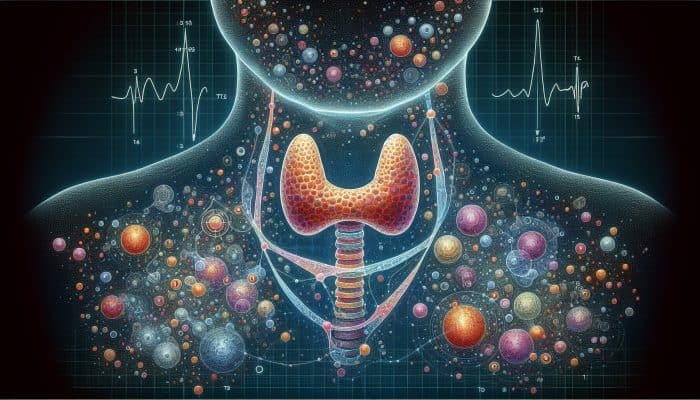
The Thyroid Blood Test in Sutton Coldfield is essential, as the thyroid gland serves as a crucial component of the endocrine system. This small but powerful gland produces significant hormones like thyroxine (T4) and triiodothyronine (T3), which play pivotal roles in regulating the body’s metabolism, growth, and overall development. These hormones directly influence energy levels, help maintain a healthy body weight, and promote an efficient metabolic rate. The thyroid’s ability to modulate metabolism significantly affects how quickly the body burns calories, the efficiency of energy usage, and the body’s response to various stressors.
Furthermore, thyroid hormones impact nearly every physiological function in the body, including heart rate, body temperature, and cholesterol levels. They are also crucial for mental health; imbalances can lead to cognitive difficulties, depression, or increased anxiety. Gaining a comprehensive understanding of the thyroid’s functions is vital, as it emphasizes the need to maintain optimal thyroid health through regular monitoring and informed lifestyle choices.
How Do Thyroid Disorders Impact Your Daily Life and Well-Being?
Thyroid disorders can manifest a wide range of symptoms that can substantially disrupt everyday life. Individuals diagnosed with hypothyroidism often experience debilitating fatigue, unanticipated weight gain, and increased sensitivity to cold, which can severely hinder productivity and lead to feelings of lethargy. Conversely, those struggling with hyperthyroidism may endure elevated anxiety, rapid weight loss, and an intolerance to heat, resulting in restlessness and discomfort. These symptoms can adversely affect personal relationships, work performance, and the general quality of life.
In addition to the physical symptoms, thyroid issues frequently contribute to psychological distress. Individuals may experience mood swings, irritability, and signs of depression, emphasizing the importance of understanding one’s thyroid health and actively seeking appropriate testing and management strategies. Timely intervention and lifestyle modifications can significantly improve daily functioning and emotional well-being.
What Benefits Come from Regular Thyroid Monitoring and Testing?
Engaging in consistent thyroid monitoring is crucial for the early detection and effective management of thyroid disorders. By routinely checking thyroid hormone levels, individuals can identify potential issues before they escalate into more serious health conditions. Early intervention often leads to more effective treatment options, minimizing complications and promoting overall well-being.
Additionally, regular testing enables personalized health management. Since thyroid hormone levels can fluctuate, consistent monitoring ensures that an individual’s treatment plan can be adjusted as necessary, leading to improved health outcomes. Those at higher risk, including individuals with a family history of thyroid disease or autoimmune disorders, can greatly benefit from scheduled check-ups, helping to maintain thyroid health and prevent long-term complications.
Which Common Thyroid Disorders Should You Be Aware Of, and What Symptoms Do They Cause?

The two most common thyroid disorders are hypothyroidism and hyperthyroidism. Hypothyroidism occurs when the thyroid gland fails to produce sufficient hormones, leading to symptoms such as fatigue, unexpected weight gain, cold intolerance, and signs of depression. These symptoms often develop gradually, making them easy to overlook, yet they can have a profound impact on an individual’s overall health and quality of life.
Conversely, hyperthyroidism is characterized by excessive hormone production. Symptoms may include rapid weight loss, increased heart rate, heightened anxiety, and intolerance to heat. Patients may also experience swelling in the neck due to an enlarged thyroid gland, commonly referred to as a goitre. Recognizing these symptoms is vital for timely diagnosis and treatment, as untreated thyroid disorders can lead to severe health complications.
How Can Lifestyle Modifications Enhance Thyroid Health Effectively?
Making informed lifestyle changes can significantly improve thyroid function and alleviate symptoms associated with thyroid disorders. A balanced diet, rich in whole foods including a variety of fruits, vegetables, lean proteins, and whole grains, provides the essential nutrients necessary for optimal thyroid health. Specific nutrients, such as iodine, selenium, and zinc, are vital for effective hormone production and should be prominent in dietary choices.
Incorporating regular exercise into your routine plays a critical role in maintaining a healthy thyroid. Engaging in physical activity aids in weight management, enhances mood, and boosts energy levels, all of which are particularly beneficial for those experiencing thyroid imbalances. Furthermore, stress management techniques, such as yoga or meditation, can further support thyroid health by reducing cortisol levels, which may negatively affect thyroid function. By implementing these lifestyle adjustments, individuals can take proactive steps toward preserving optimal thyroid health.
Expert Insights on Thyroid Blood Testing in Sutton Coldfield
What Can You Expect During a Thyroid Testing Procedure?

When preparing for a thyroid blood test, you can expect a straightforward and generally painless experience. Typically, a qualified healthcare professional will draw a small blood sample from a vein in your arm to measure the levels of thyroid hormones. The entire procedure usually lasts only a few minutes, ensuring minimal disruption to your daily routine.
The key steps involved in the testing process are as follows:
- Arriving at the clinic and checking in for your appointment.
- Meeting with a healthcare professional who will explain the procedure in detail.
- A small blood sample will be drawn using a sterile needle.
- Receiving any post-test instructions, if applicable.
- Scheduling a follow-up appointment to discuss the results with your healthcare provider.
Being well-informed about what to expect can help alleviate anxiety and ensure that you feel fully prepared for the test.
How Local Clinics Can Enhance Your Thyroid Health Management?
Local clinics in Sutton Coldfield play a pivotal role in managing thyroid health by offering specialized services and personalized care. Many clinics provide comprehensive thyroid testing and follow-up consultations, ensuring that patients receive the focused attention they require for effective management of their thyroid conditions.
When selecting the right clinic for your needs, consider essential factors such as their expertise in endocrinology, patient reviews, and the range of services they offer. It is also crucial to ensure that the clinic is equipped with modern technology for accurate testing and staffed by healthcare professionals capable of providing tailored advice. Consulting with local practitioners can facilitate a quicker response for the treatment and management of any thyroid-related issues.
What Are the Latest Innovations in Thyroid Testing Techniques?
Recent advancements in thyroid testing have significantly improved accuracy and enhanced patient outcomes. New technologies have led to the development of more sensitive assays for measuring thyroid hormone levels, enabling earlier detection of abnormalities. Some clinics now incorporate genetic testing to better understand the risks associated with thyroid disorders, offering a more comprehensive approach to patient care.
Additionally, advancements in telemedicine have made accessing thyroid testing and consultations remotely much more convenient. This is particularly beneficial for individuals in Sutton Coldfield, who may find it challenging to attend clinics in person. These innovations have not only improved the convenience of thyroid monitoring but also enhanced the overall patient experience.
How Often Should You Schedule a Thyroid Test in Sutton Coldfield?
The frequency of thyroid testing can vary based on individual health status, age, and presenting symptoms. Generally, adults should have their thyroid levels checked every five years, beginning at age 35. However, individuals with a family history of thyroid disease, those exhibiting symptoms suggestive of thyroid dysfunction, or those with pre-existing health conditions may require more frequent testing.
For individuals already diagnosed with thyroid conditions, regular monitoring remains essential. Your healthcare provider may recommend testing every six to twelve months to ensure that hormone levels are maintained within the normal range and to adjust treatment as needed. By being proactive about thyroid health, individuals can mitigate risks and enhance their overall well-being.
What Are the Financial Considerations and Insurance Coverage for Thyroid Tests?
The cost of thyroid tests in Sutton Coldfield can vary significantly based on whether the service is provided through the NHS or a private clinic. On average, NHS tests may be free at the point of use, while private testing can range from £30 to £150, depending on the complexity of the tests ordered.
Insurance coverage for thyroid tests also varies. Many private insurance plans cover thyroid testing, but it is crucial to review the specific details of your policy. When making an appointment, inquire about costs and express any coverage concerns. Understanding the financial aspects of thyroid testing can empower individuals to make informed decisions about their healthcare.
Finding Reliable Locations for Thyroid Blood Testing in Sutton Coldfield
Which Clinics Offer Comprehensive Thyroid Testing Services in the Area?
Sutton Coldfield is home to several reputable clinics that provide thyroid testing services, both through private and NHS facilities. Clinics such as Good Hope Hospital and local GP surgeries offer essential thyroid testing as part of their primary care services. Additionally, private healthcare options like the BMI Meriden Hospital provide comprehensive thyroid assessments.
When selecting a clinic, consider factors such as proximity, availability of specialists, and the types of services provided. Reading patient reviews and seeking recommendations can also assist in identifying the best options for thyroid testing. By choosing a reputable clinic, you can ensure that you receive high-quality care tailored to your specific needs.
What Are the Costs and Insurance Options for Thyroid Tests?
Costs for thyroid tests in Sutton Coldfield can vary widely based on the facility and the complexity of the tests performed. NHS tests are typically available at no cost, while private tests can range from £30 to £150 or more, depending on the services included.
Insurance coverage may also differ, with many private health insurers covering at least part of the costs associated with thyroid testing. It is important to review your insurance policy to understand what is covered and any potential out-of-pocket expenses. Being informed about costs and insurance can significantly alleviate the financial burden associated with the management of thyroid health.
How Can You Easily Schedule an Appointment for a Thyroid Blood Test?
Booking an appointment for a thyroid test in Sutton Coldfield is typically straightforward and can be done online or via phone. Many clinics now offer user-friendly online booking systems that allow patients to select a convenient time and date for their test. Alternatively, you can call the clinic directly to schedule an appointment and ask any questions you may have regarding the process.
When scheduling your appointment, be sure to provide accurate information regarding your health history and any symptoms you may be experiencing. This will enable the healthcare provider to tailor the testing process to your specific needs. Many clinics also offer flexible scheduling options, ensuring that you can find a time that fits your busy lifestyle.
What Should You Anticipate During the Thyroid Blood Testing Process?
Anticipating a thyroid blood test should not cause undue anxiety, as the process is quick and straightforward. After checking in at the clinic, a healthcare professional will guide you to the designated area where the blood draw will take place. A small needle will typically be used to take a sample of blood from a vein in your arm.
You will receive instructions on how to prepare for the test, ensuring that accurate results are obtained. Following the blood sample collection, you may be advised on post-test care, such as applying pressure to the site to minimize bruising. Overall, the experience is generally quick and hassle-free, allowing you to continue with your day promptly.
How Long Will It Take to Receive Your Thyroid Test Results?
The time frame for receiving thyroid test results typically spans from a few days to a week, depending on the clinic and the specific tests conducted. Some clinics may expedite processing for an additional fee, enabling patients to receive their results sooner.
After your test, it is advisable to schedule a follow-up appointment with your healthcare provider to discuss the results. Having a dedicated time to review the findings ensures that you understand your thyroid health and any necessary next steps for management or treatment.
Effective Preparation for Your Thyroid Blood Testing
What Essential Preparations Should You Make Before Undergoing the Test?
Preparation for a thyroid blood test is straightforward but crucial for ensuring the accuracy of the results. It is generally advisable to fast for a minimum of four hours before the test, although some clinics may recommend fasting overnight. Additionally, you should avoid certain medications that could affect thyroid function unless directed otherwise by your healthcare provider.
Consider the following pre-test preparations:
- Fast for at least four hours before the test.
- Avoid taking medications that may interfere with results.
- Stay well-hydrated by drinking plenty of water.
- Wear clothing that allows easy access to your arm for the blood draw.
Taking these steps can help ensure that your test results are as accurate as possible, providing a clearer picture of your thyroid health.
What Should You Expect on the Day of Your Thyroid Blood Test?
On the day of your thyroid blood test, you will visit the clinic where the procedure will occur. After checking in, a healthcare professional will explain the process and address any concerns or questions you may have. A small blood sample will be drawn, which typically takes just a few minutes to complete.
The procedure is designed to be efficient and minimally invasive, ensuring that you feel comfortable throughout the experience. Following the blood draw, you may receive specific post-test instructions to ensure proper care of the puncture site and information on when you can expect your results. This straightforward process is a vital step in assessing your thyroid function.
What Is the Typical Wait Time for Receiving Your Test Results?
The duration required to receive thyroid test results can differ based on several factors, including the clinic’s processing capabilities and the specific types of tests performed. Generally, patients can expect to receive their results within a few days to a week.
Some clinics provide expedited processing for those who require immediate results, although this may incur an additional fee. Regardless of the timeframe, it is advisable to schedule a follow-up appointment to discuss your results with your healthcare provider. This ensures that you fully comprehend the implications of your results and any necessary next steps for managing your thyroid health.
Can You Resume Normal Eating After the Test?
Yes, you can typically resume normal eating and drinking after your thyroid blood test unless your healthcare provider advises otherwise. It is essential to adhere to any specific post-test instructions provided by the clinic, as these may vary based on individual circumstances.
If you fasted before the test, it is advisable to enjoy a healthy meal afterward to help replenish your energy levels. Maintaining a balanced diet positively contributes to your overall health and can support thyroid function as you await your results.
What Do Abnormal Results Indicate Regarding Your Thyroid Health?
Abnormal thyroid test results may indicate conditions such as hypothyroidism or hyperthyroidism, depending on whether hormone levels are too low or excessively high. Hypothyroidism is often characterized by elevated Thyroid Stimulating Hormone (TSH) levels coupled with low T4 levels, while hyperthyroidism may present with low TSH and elevated T4 and T3 levels.
Interpreting these results requires professional insight, and your doctor will clarify what the findings mean and discuss potential next steps, including further testing or treatment options. Understanding your results is crucial for effective management of any thyroid condition, and seeking guidance from a healthcare provider ensures that you receive tailored care.
Interpreting Your Thyroid Test Results Effectively
What Key Insights Do Your Thyroid Test Results Provide?
Thyroid test results offer essential insights into your hormonal balance and overall thyroid health. The primary hormones measured are TSH, T4, and T3. A high TSH level typically indicates hypothyroidism, while low levels of TSH alongside elevated T4 or T3 may suggest hyperthyroidism. Understanding these results is crucial for diagnosing and managing thyroid conditions effectively.
Furthermore, results may include antibody tests to check for autoimmune thyroid disorders, such as Hashimoto’s thyroiditis or Graves’ disease. Accurately interpreting these results is essential for determining the appropriate course of action and ensuring optimal management of your health.
How to Interpret Variations in Thyroid Hormone Levels?
Interpreting thyroid hormone levels requires a nuanced understanding of each hormone’s role and the implications of its levels. The pituitary gland produces TSH and regulates the production of T4 and T3 by the thyroid. High TSH levels typically suggest an underactive thyroid (hypothyroidism), whereas low TSH levels indicate an overactive thyroid (hyperthyroidism).
T4 and T3 levels provide further insight; low levels of T4 alongside high TSH confirm hypothyroidism, while elevated T4 and T3 levels, with suppressed TSH, suggest hyperthyroidism. Discussing these results with your healthcare provider is essential for accurate interpretation and to determine any necessary adjustments to treatment.
What Steps Should You Take Following Your Thyroid Test Results?
After receiving your thyroid test results, the subsequent steps will depend on the findings and your overall health. If the results indicate a thyroid disorder, your healthcare provider may recommend further tests to clarify the diagnosis or initiate a treatment plan tailored to your specific condition. This may encompass medication, lifestyle modifications, or ongoing monitoring to track changes in hormone levels.
For individuals who receive normal results but continue to experience symptoms, further investigation may still be warranted. A comprehensive approach ensures that your thyroid health is managed effectively, and ongoing communication with your healthcare provider is vital to achieving optimal outcomes.
Proven Strategies for Effective Thyroid Blood Testing in Sutton Coldfield
How Can You Ensure Accurate Test Results for Your Thyroid Health?
Ensuring accurate test results is paramount for effective thyroid health management. One of the most effective strategies is to diligently follow pre-test instructions, including fasting if required and avoiding specific medications that could interfere with results. Choosing a reputable clinic known for its accuracy and reliability also plays a pivotal role in obtaining trustworthy results.
For instance, patients can seek clinics with certified professionals and positive patient feedback. Engaging with healthcare providers who prioritize thoroughness in testing can lead to more accurate diagnoses and tailored treatment plans. Following these strategies not only enhances the reliability of test results but also fosters a proactive approach to thyroid health.
What Are Optimal Practices for Managing Your Thyroid Health Effectively?
Optimal practices for managing thyroid health revolve around a combination of regular monitoring, a balanced diet, and consistent communication with healthcare providers. Regular thyroid testing is crucial for tracking hormone levels and detecting any abnormalities early on.
Incorporating nutrient-rich foods into your diet, such as those high in iodine (like fish and dairy) and selenium (like Brazil nuts), supports thyroid function. Building a partnership with your healthcare provider allows for tailored management strategies and adjustments to treatment as necessary. By adhering to these practices, individuals can enhance their thyroid health and overall well-being.
How to Choose the Right Specialist for Your Thyroid Health Needs?
Selecting the right thyroid specialist is an essential step in effectively managing your thyroid health. Start by researching specialists with significant experience in endocrinology, focusing on their qualifications and areas of expertise. Patient reviews and testimonials can provide insight into the quality of care and the specialist’s approach.
It is also beneficial to consider the communication style of the specialist; effective communication fosters a collaborative relationship that can lead to better health outcomes. Scheduling an initial consultation can help gauge whether the specialist aligns with your needs and expectations. By following these steps, you can ensure that you receive expert care tailored to your thyroid health.
The Impact of Lifestyle Choices on Thyroid Health in Sutton Coldfield
How Does a Balanced Diet Affect Thyroid Function?
Nutrition plays a pivotal role in thyroid function, making it vital for individuals to understand which foods support or hinder thyroid health. A well-balanced diet rich in nutrients such as iodine, selenium, and zinc is crucial, as these elements directly contribute to the production and regulation of thyroid hormones. Foods like fish, dairy products, nuts, whole grains, and leafy greens can help maintain balanced thyroid function.
Conversely, certain foods, particularly those containing goitrogens (found in cruciferous vegetables like cabbage and broccoli), can inhibit thyroid hormone production, especially when consumed in excess. It is essential to strike a balance, ensuring that your diet supports rather than undermines your thyroid health. Consulting with a nutritionist can provide tailored dietary advice to optimize thyroid function.
What Role Does Regular Exercise Play in Supporting Thyroid Health?
Engaging in regular exercise is instrumental in managing thyroid health, particularly for those living with thyroid disorders. Physical activity can help regulate body weight, enhance mood, and increase energy levels, which are crucial for individuals experiencing symptoms related to thyroid dysfunction.
Particularly beneficial types of exercise include:
- Cardiovascular exercises such as walking, cycling, and swimming.
- Strength training to build muscle mass and boost metabolism.
- Yoga for stress relief and mental clarity.
- Flexibility exercises to enhance overall well-being and mobility.
Incorporating these activities into your routine can not only improve physical health but also support overall thyroid function and emotional wellness.
How Can Stress Management Positively Impact Thyroid Function?
Stress can profoundly affect thyroid function, as elevated cortisol levels may interfere with hormone production. For individuals with thyroid conditions, stress can exacerbate symptoms of both hypothyroidism and hyperthyroidism, creating a cycle of worsening health. Consequently, managing stress is paramount for maintaining optimal thyroid health.
Techniques such as mindfulness, meditation, and relaxation exercises can significantly reduce stress levels. Engaging in activities that promote well-being, such as pursuing hobbies or spending time with loved ones, can also provide relief from daily stressors. By prioritizing stress management, individuals can support their thyroid health and enhance their overall quality of life.
Frequently Asked Questions About Thyroid Health
What Is Involved in a Thyroid Blood Test?
A thyroid blood test measures the levels of thyroid hormones in your bloodstream, assisting in the assessment of thyroid function and the diagnosis of any disorders.
How Often Should I Undergo Thyroid Testing?
Typically, adults should have their thyroid levels checked every five years starting at age 35. However, those exhibiting symptoms or with a family history of thyroid issues may require more frequent testing.
What Symptoms May Suggest a Thyroid Issue?
Common symptoms include fatigue, fluctuations in weight, mood swings, and temperature sensitivity. If you experience these signs, it is advisable to consult a healthcare professional.
Does Insurance Potentially Cover Thyroid Tests?
Many insurance plans do cover thyroid tests, but it is important to verify the specifics of your policy to understand coverage details.
Can I Eat Before My Thyroid Test?
You may need to fast before the test, usually for four hours. Please consult your healthcare provider for specific instructions.
How Long Is the Wait for Thyroid Test Results?
Results typically take a few days to a week, depending on the clinic and the specific tests conducted.
What Does an Elevated TSH Level Indicate?
High TSH levels generally suggest hypothyroidism, indicating that the thyroid is underactive and not producing enough hormones.
What Lifestyle Changes Can Enhance Thyroid Health?
A balanced diet, regular exercise, effective stress management, and routine monitoring can all positively contribute to thyroid health.
Is There a Hereditary Component to Thyroid Disorders?
Yes, thyroid disorders can run in families, so a family history may elevate your risk of developing a thyroid condition.
What Steps Should I Take If My Thyroid Test Results Are Abnormal?
Consult your healthcare provider to discuss potential next steps, which may include further testing or establishing a tailored treatment plan for your specific condition.
Connect with us on Facebook!
This Article Was First Published On https://bloodtest.co.uk
The Article Thyroid Blood Test Guide for Sutton Coldfield Residents Was Found On https://limitsofstrategy.com


No responses yet